
Clearing the Air: Cannabis Consumption and Lung Health
Debunking Myths, Exploring Safer Methods, and Understanding Chronic Use
In this post, I'm not just taking in the hazy world of cannabis and lung health to blow smoke back at you—I'm clearing it all up for you. I’ll debunk common myths, like the idea that smoking cannabis is as harmless as a walk in the park. I'll also share safer ways to enjoy your green without turning your lungs into a chimney. Curious about vaporizing, dabbing, or other methods? I'll cough that up for you too. Plus, we'll discuss what chronic use really means and how to keep your health in check while still enjoying the good stuff. Let's clear the air together!
Questions
1. How does smoking cannabis affect lungs?
2. Is vaporizing healthier than smoking?
3. Safe temperature and frequency for dabbing?
4. What defines chronic cannabis use?
5. Safest cannabis consumption methods?
1. How does smoking cannabis really affect your lungs? What are some common myths, like the idea that it's healthier than smoking tobacco?
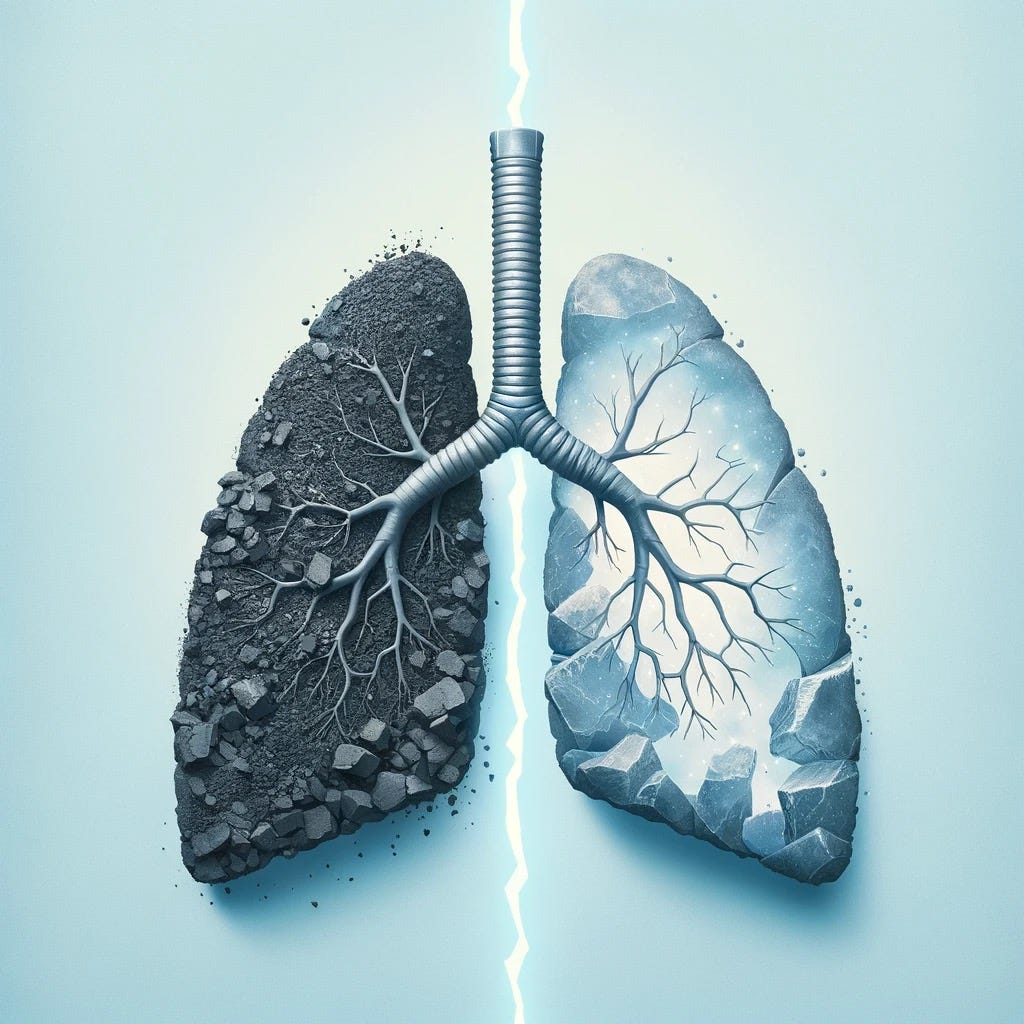
Smoking Cannabis and Lung Health: Smoking cannabis, like smoking spinach, kale, or broccoli, doesn’t make much sense when you think seriously about what you’re actually doing, and can certainly have negative effects on your breathing and lung health. While cannabis smoke contains far fewer carcinogens than tobacco smoke, it still produces some harmful substances that can irritate the respiratory system. In long-term consumers, it can lead to overinflation. Many regular cannabis users believe that smoking cannabis is significantly safer than smoking tobacco, but we don't yet know the full impact of chronic consumption of the potent varieties of cannabis on the market today. Regular smoking can bring on respiratory issues, including chronic bronchitis (irritation of the breathing tubes) and some impaired lung functions. However, it does not seem to carry the same risk of lung cancer as tobacco, or perhaps the components inside the cannabis mitigate the cancer risk as it occurs. It's important to consider safer alternatives and practice moderation to mitigate potential harms.
2. Is vaporizing the flower a better move for your health? By what standards, and can you share tips for safer use?
Vaporizing vs. Smoking Flower: Vaporizing cannabis flower is a much healthier, safer, smarter, and more precise alternative to smoking. Just as boiling water turns to steam at 212°F, vaporization involves heating cannabis to temperatures that release cannabinoids and terpenes into the air well before burning the plant material. The temperatures required to vaporize cannabinoids are up to ten times lower than combustion temperatures, virtually eliminating the inhalation of harmful toxins, irritants, and carcinogens produced by burning. This significantly reduces the risk of respiratory issues often referred to as "bong lung," which are associated with chronic cannabis smoking. Understanding the medical benefits of different cannabis compounds and the temperatures at which they vaporize allows you to tailor-make your own medications. With a high-quality vaporizer oven that offers precise temperature control, ideally between 315°F to 440°F (157°C to 227°C), and clean, unadulterated flower, you can create a DIY pharmacy of cannabis effects. Adding a different variety of kief can further customize a tailor-made cannabis experience. A full list of boiling points (cannabinoids, terpenes, and flavonoids) are charted in “The Cannabis Plant” chapter of The Doctor-Approved Cannabis Handbook!
3. What about dabbing? Is there a "safe" temperature, and how often is too often?
Dabbing and Safe Temperatures: Dabbing, which involves inhaling vapor from concentrated cannabis extracts rather than just the flower, is the "espresso" version of cannabis inhalation—more intense and potent than flower vaporization. To optimize dabs, it's key to consume much smaller amounts, and, like flower vaporization, expert-level use comes with temperature-controlled, oil-compatible vaporization ovens to achieve precise goals and avoid releasing harmful byproducts. High-temperature dabs can bring overly intense sensations and typically contribute to rapid tolerance buildup, and at some temperatures, carcinogens and other toxic compounds may release too. As for frequency, moderation is crucial. Limiting dabbing sessions and ensuring that dabs are done at the safest temperatures can help maximize benefits and reduce potential downsides.
4. What does "chronic cannabis use" mean, especially when it comes to smoking?
Chronic Cannabis Use: Chronic cannabis use generally refers to daily consumption over long-term periods, often defined as daily or near-daily use over several months or years. For smoking or dabbing, this could mean using cannabis multiple times a day. Dependency on the benefits of cannabis is commonly associated with chronic consumers, and as the years accumulate, so do the health downsides. Changes in breathing, lung capacity, chronic cough, and upper respiratory irritation are expected, and impacts on mood, sleep, and appetite are common. It's important to monitor usage patterns and consider breaks or alternative methods of ingestion, as well as other forms of self-care and stress relief, to counterbalance potential risks from long-term use.
5. What are the safest ways to consume cannabis beyond smoking and dabbing? How do these methods compare?
Safe Cannabis Ingestion Methods: Almost any method beyond smoking and excessive dabbing can be considered relatively safe. Other safe and effective methods of enjoying cannabis include edibles, tinctures, and topical applications. Newer forms have also found their way to retail shelves, including infused drinks, mouth sprays, and formulations that can be added to household foods and drinks. Edibles and tinctures avoid inhalation-related risks entirely while allowing for more system-wide precise dosing. However, these methods often come with delayed onset, so it's common for newbies to consume too much or too high dosages out of impatience. For fair expectations of dosages and an explanation of low doses vs high dosages of CBD and THC, to avoid overconsumption, check out the chart on page 61 in "The Shopper's Guide to Cannabis Products" chapter of my book (see below). Tinctures offer a flexible dosing method and can be used sublingually for faster onset. Topicals provide localized relief without psychoactive effects and are great for patients seeking regional relief of pain or inflammation. Sprays are a new superstar, with quicker onset (within minutes) and shorter duration than edibles. Drinks and other methods minimize respiratory risks and provide safer consumption options, with variable expectations for timing and strength. With so many choices that are each different in composition and impact, it's easy to see how knowledge really can equal power—and empowerment!
Wondering about something? Ask away!
Buy my Book on Amazon
Buy a Signed Copy of My Book
Book a Personal Consultation with me, your Trusted Cannabis Care Expert
Free Cannabis Knowledge
Free CED Cannabis Library (500GB!)
Connect on socials: Twitter | Instagram | YouTube | LinkedIn | TikTok
For those interested in diving deeper into the science and safety of cannabis use, this post is brought to you in support of "The Doctor-Approved Cannabis Handbook." This comprehensive guide provides expert insights and practical advice to help you make informed decisions about cannabis consumption. Whether you're a seasoned user or just starting out, the handbook offers valuable information to enhance your understanding and experience.


